

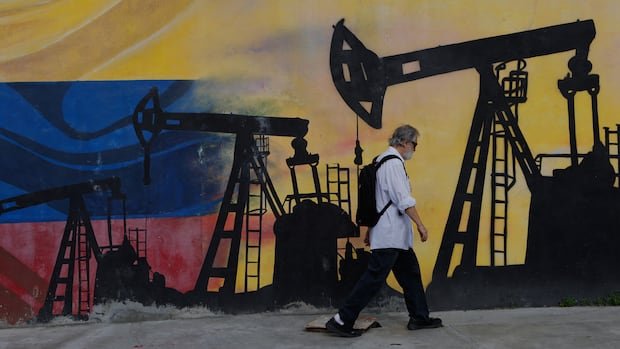

The White House has provided limited details about what President Donald Trump has referred to as “THE BIGGEST OIL DEAL IN WORLD HISTORY” in Venezuela, apart from a social media post. Trump announced an agreement on Friday that would grant the United States a share in Venezuela’s extensive oil reserves as part of his aim to tap into the country’s energy resources following the apprehension of former president Nicolás Maduro by American forces earlier this year.
Venezuela’s interim president, Delcy Rodríguez, hailed the deal as a move towards economic revitalization that would modernize the nation’s oil sector. However, key questions such as the timeline for drilling the reserves and the financing of the project remain unanswered as no written agreement has been disclosed.
The pact involves the formation of a new private company by the U.S. government and an undisclosed Venezuelan entity, granting rights to develop 17 fields with an estimated potential of 65 billion barrels. The agreement is anticipated to attract $100 billion in investments into Venezuela’s oil industry and generate over $209 billion in tax revenues for Caracas.
The United States secured a 55% effective output of the new private company, including ownership shares and the privilege to purchase oil at cost. The company, once established, would become the second-largest holder of proven reserves globally, trailing only Saudi Aramco.
While President Trump asserts that the agreement could lead to reduced gas prices for Americans, experts caution that Venezuela’s deteriorated oil infrastructure will require significant time and resources to restore, thereby delaying any substantial surge in production. The long-term implications of the deal on Canada’s oil sector are uncertain, as a potential increase in Venezuelan oil output could impact Canadian heavy crude exports to the U.S. market.
The details surrounding the private operator, investment coverage, and breakdown of America’s stake in the company remain ambiguous. The challenge of enticing major American oil companies to invest in Venezuela amid political instability and infrastructure challenges is apparent, with Chevron and Exxon Mobil refraining from commenting on their participation in the deal. Analysts highlight logistical obstacles and uncertainties regarding the actual value of Venezuela’s reserves, suggesting that U.S. oil firms may prioritize other investment opportunities over the Venezuelan venture.