

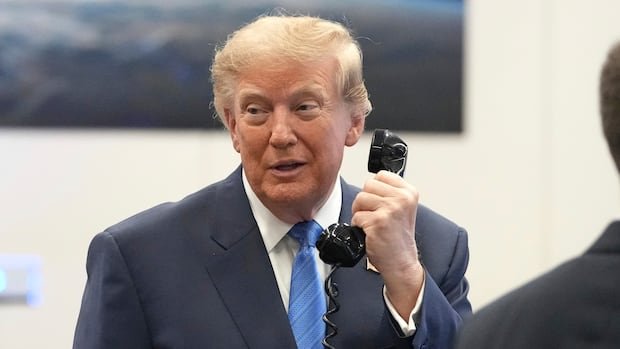

U.S. President Donald Trump announced on Friday a significant agreement with Venezuela, potentially granting the U.S. access to vast untapped oil reserves in the South American nation. This deal, touted as “THE BIGGEST OIL DEAL IN WORLD HISTORY” by Trump, was brokered by top officials including U.S. Secretary of State Marco Rubio, U.S. Secretary of War Pete Hegseth, and Venezuela’s interim President Delcy Rodríguez.
According to Venezuela’s government, the agreement involves the development of 17 oil fields with an estimated 65 billion barrels of proven potential. It is expected to attract a substantial $100 billion investment into Venezuela’s oil industry and generate over $209 billion in taxes for Caracas, as stated by Rodríguez in a message on Telegram.
Under the terms of the deal, the United States will collaborate with an undisclosed private operator in Venezuela to establish a new private company to oversee the reserves. The company will be granted 100-year rights by Rodríguez to develop the oil fields, with the U.S. securing a 55% effective output of the company, including ownership shares and access to oil at cost.
This development comes nearly nine months after a U.S. military operation aimed at capturing Venezuela’s former president Nicolás Maduro to face charges of narcoterrorism and drug trafficking in the United States. Trump, facing mounting pressure due to high gas prices amidst ongoing tensions in Iran, has taken steps to address the situation, including tapping into strategic petroleum reserves.
While this agreement is expected to impact gas prices in the U.S., experts caution that a significant increase in Venezuelan oil production will take time due to the need for infrastructure repairs and investments. Convincing major American oil companies to return to Venezuela could also face challenges given the country’s political uncertainties and aging infrastructure.
Following the removal of Maduro from power, Trump urged oil executives to consider investing in Venezuela, emphasizing the potential opportunities. Despite skepticism expressed by some executives like ExxonMobil’s CEO Darren Woods, Trump remains confident in the stability brought by his administration to Venezuela.
The agreement is seen as a win-win for both countries, with expectations of increased private investment in Venezuela and potential benefits for American consumers in the form of lower gas prices. The oil acquired from the new company is intended for filling the U.S. strategic petroleum reserve and military use.
Venezuela holds one of the world’s largest oil reserves, estimated at 303 billion barrels, accounting for approximately 17% of global supply. Despite this abundance, Venezuela’s oil production has been limited due to infrastructure challenges, with the country contributing only 1% to the world’s oil output.