

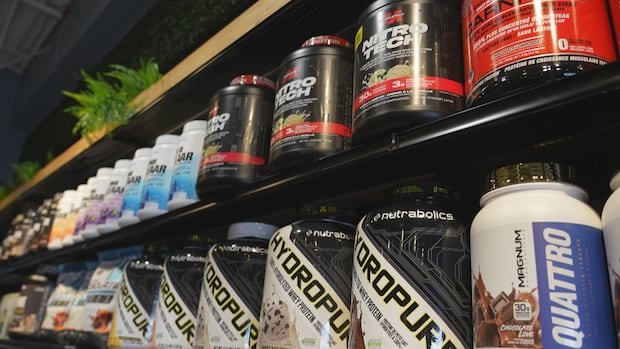

As Jennifer Mason aims to increase her protein intake, the surge in whey protein powder prices has left her shocked. Being a new mother with escalating expenses, she is reconsidering her shopping choices.
She mentioned, “I’m reducing my consumption and looking for natural sources of protein in my diet instead of relying on products.”
To meet the rising demand, food producers and fast-food chains are incorporating whey protein into various items like snacks and beverages. This trend is contributing to shortages of whey protein and driving prices to unprecedented levels. Additionally, the U.S.-Canada trade conflict is exacerbating the situation, potentially leading to increased costs for consumers.
Various protein-enriched products, from snacks to candies, are increasingly appearing on store shelves. Celebrities like Khloé Kardashian have introduced protein-infused items such as protein popcorn. Major brands are capitalizing on health-conscious consumers’ preferences by incorporating whey protein into their offerings.
Fitness influencers are promoting “protein-maxxing,” a trend where people consume protein-rich foods at every opportunity. Furthermore, individuals taking weight-loss medications like Ozempic are inclining towards higher protein intake to prevent muscle loss.
John Murray, who oversees marketing at Daryl’s Bars, a protein snack manufacturer in Tecumseh, Ont., stated that securing sufficient whey protein for their operations has become challenging due to larger corporations placing substantial orders.
Most of Canada’s whey protein concentrate is imported from the U.S., where prices have more than doubled over the past eighteen months. The U.S. Dairy Export Council highlighted that the domestic demand for high-protein whey has been insatiable, reducing the availability of whey for export.
Due to the surging costs, Daryl’s Bars has been compelled to raise prices on its protein snacks. Murray expressed, “Despite our efforts to manage the costs, they have been escalating beyond our margins, especially over the past year.”
The ongoing trade dispute is squeezing food manufacturers further. In response to new U.S. tariffs on Canadian goods, the government imposed a 50% tariff on American whey imports, elevating prices. Canadian businesses can seek relief through Ottawa’s tariff-remission program by demonstrating the unavailability of domestic or non-U.S. sources.
Increasing whey protein supply rapidly is challenging, according to Mike von Massow, a food economist at the University of Guelph, as whey is a byproduct of cheese production, necessitating complex processing techniques.
Von Massow mentioned that while the U.S. is a significant producer of whey due to its extensive cheese manufacturing, Canada’s processing capacity is limited. The Dairy Processors Association of Canada anticipates a shift towards New Zealand amidst rising U.S. import costs, despite the associated high shipping expenses.
Anticipating price hikes cascading down the supply chain, von Massow suggested that protein drink prices might rise and remain elevated. Some consumers are considering alternatives like plant-based options and whole foods as whey protein prices surge.
While some users are willing to absorb the increased costs, others like Nathan Bugiardini are contemplating cutting back if prices escalate further. The soaring prices have left consumers like Melania Antic feeling financially strained, prompting them to explore other options while navigating the high whey protein costs.