

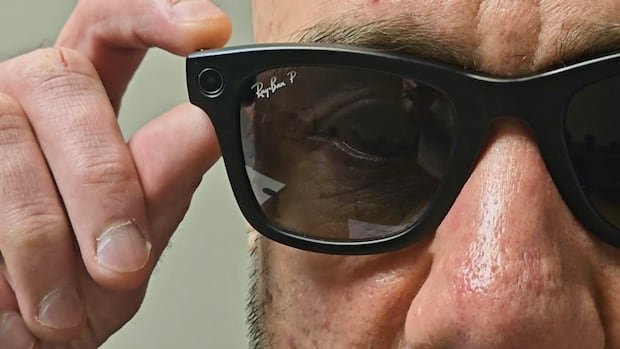

Norway is considering a temporary ban on smart glasses in certain public spaces to address privacy concerns related to potential misuse of AI technology. The proposed ban aims to regulate the use of smart glasses in locations where privacy is deemed crucial, such as healthcare facilities, fitness centers with changing areas, and venues where children gather like schools and playgrounds. Additionally, the ban could extend to public events, parks, beaches, museums, and shopping centers.
The government’s proposal for a temporary ban is set to be presented to parliament for discussion and potential implementation. The intention is to evaluate the impact of smart glasses on privacy and determine appropriate regulations. It is emphasized that the ban is not intended to be comprehensive, and exceptions may be made for specific situations, particularly for vulnerable groups, to allow for beneficial uses of smart glasses.
Privacy advocates have welcomed Norway’s move, highlighting the importance of safeguarding individuals’ privacy in the face of advancing technology. Despite efforts to regulate the use of AI glasses, some businesses have taken proactive measures, with an eyewear retailer in the Netherlands suspending sales of certain AI glasses due to privacy concerns.
In a similar vein, the UK Cinema Association has introduced policies to restrict the use of camera-enabled smart glasses in cinemas to address worries about privacy violations and potential film piracy. These developments reflect the ongoing debate surrounding the use of smart glasses and the need to establish clear guidelines for their appropriate usage.