

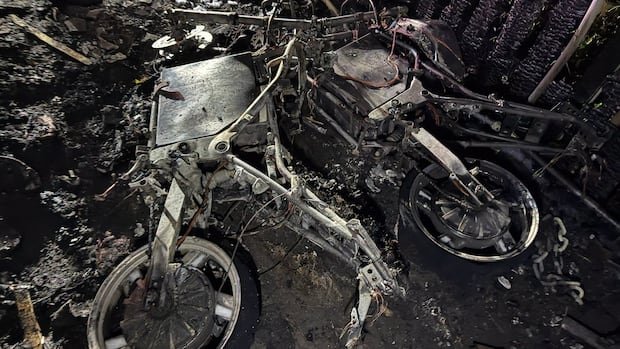

Firefighters are expressing concerns regarding the dangers posed by intense and persistent fires in lithium batteries found in e-bikes in residential settings, as seen in recent incidents in Toronto and Peterborough, Ontario, and at a solar farm in Prince Edward Island. These incidents have led to restrictions on electric bikes and cars in certain establishments, public transportation, and ferries, causing inconvenience for users. Additionally, they have instilled fear in some individuals considering electric vehicles.
The ongoing Fire Prevention Week is focusing on lithium batteries as a significant safety concern. Understanding the challenges posed by lithium battery fires is crucial, along with strategies to mitigate the associated risks.
Lithium battery fires have become more prevalent with the increasing use of battery-powered devices, with an estimated 1,500 fires attributed to lithium batteries across 600 communities in Canada last year. These incidents are most common in household devices like e-bikes and e-scooters.
While electric vehicle (EV) and energy storage battery fires are less common due to stringent testing and safety features, incidents still occur sporadically. Compared to gas-powered vehicles, EV fires are relatively rare, according to available U.S. data.
The causes of lithium battery fires vary, ranging from physical damage or wear over time to overheating due to improper charging methods. Lithium batteries possess inherent risks, including the ability to generate their oxygen during a fire, making them challenging to extinguish. Moreover, these fires can release toxic substances and have the potential to reignite even after initial suppression.
Firefighters often face challenges in dealing with lithium battery fires, as many lack adequate training, policies, and equipment for such emergencies. Handling and extinguishing these fires require specialized approaches, as traditional methods like water may not effectively extinguish lithium battery fires and can even exacerbate the situation.
To reduce the risk of lithium battery fires, it is recommended to purchase certified batteries with safety features, charge devices correctly, and recycle batteries at designated drop-off sites. Proper disposal and handling of damaged or recalled batteries are essential to prevent fire hazards.
By understanding the nature of lithium battery fires and implementing preventive measures, individuals can contribute to minimizing the risks associated with these incidents.