

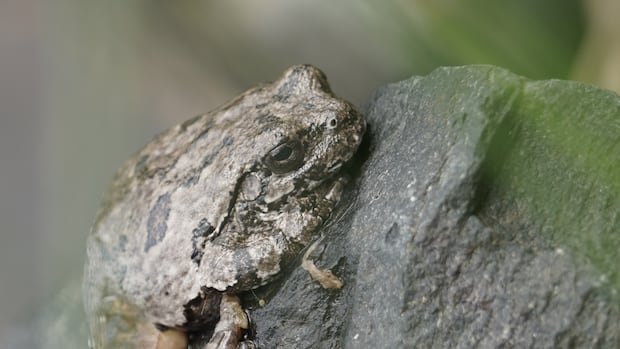

Researchers in Manitoba are conducting a study on frogs and toads facing a deadly fungal infection known as chytridiomycosis. This disease has caused the extinction of numerous amphibian species worldwide. Although not yet detected in Manitoba, the presence of the pathogen is suspected due to its widespread occurrence on the continent. The fungus affects frogs and toads differently, with salamanders also being vulnerable to a related pathogen.
Chytrid has been responsible for the extinction of over 90 species and a decline in more than 500 others. Considered one of the worst infectious diseases among vertebrates, it has become more prevalent in North America in recent years. The risk to amphibians on the Prairies is believed to be increasing, especially with changing environmental conditions.
A proactive monitoring program at Brandon University aims to track the spread of these pathogens and potentially limit the decline of amphibian populations. Wetlands degraded by human activities provide fertile grounds for pathogen spread, making the identification of such habitats crucial for conservation efforts. The health of wetlands is interconnected with the well-being of various ecosystems and human health.
Initial findings suggest that young leopard frogs can be inoculated against the effects of chytrid, offering hope for their survival. Researchers are scaling up treatment efforts to improve success rates in reintroduction programs. This research underscores the importance of disease prevention to protect vulnerable amphibian populations from extinction.