

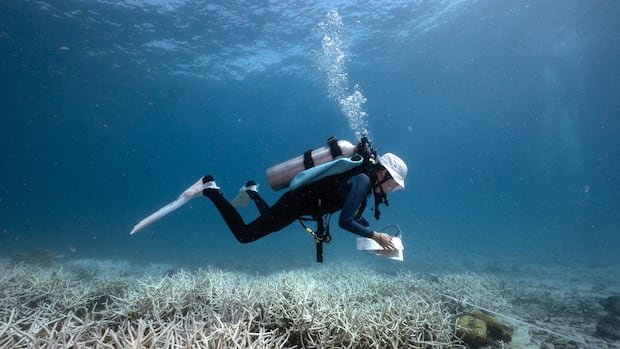

A recent global report highlights a significant decline in the proportion of living hard coral reefs worldwide. The report indicates that marine heatwaves and bleaching events have severely impacted coral coverage, reducing it to approximately 25%. This decline is alarming, especially considering the shrinking window for coral recovery due to more frequent extreme ocean heat events.
Research suggests that the rate of coral cover decline in recent years is concerning, with a 9.5% decrease relative to previous decades. This loss of coral cover is attributed to climate change-induced heat stress. The report emphasizes the urgent need for sustained funding and standardized monitoring methods to comprehensively understand the state of coral reefs globally.
Additionally, the report identifies uneven declines across different regions, with notable decreases in areas such as Australia, the eastern Pacific, the Caribbean, and the Persian Gulf to the Arabian Sea. Despite some regions showing growth in coral cover, the overall trend is worrying due to the increasing intensity and frequency of marine heatwaves caused by rising ocean temperatures from greenhouse gas emissions.
Efforts to increase coral resilience and combat declining coral cover include regional interventions like limiting overfishing and pollution, as well as global actions to curb greenhouse gas emissions. The report underscores the critical role of coral reefs in supporting marine life and economies, urging immediate action to protect these vital ecosystems from further deterioration.