

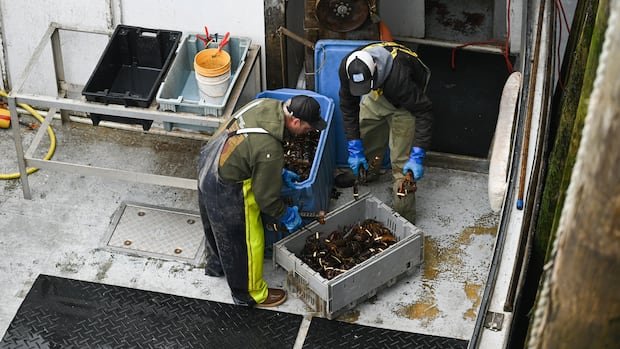

Canada’s East Coast seafood industry is relieved as the federal government has excluded U.S. fish and seafood products from its list of retaliatory tariffs. This decision, announced late Wednesday, followed feedback received by the government. The move came after the U.S. imposed new 50% tariffs on $27.6 billion worth of goods when trade talks collapsed over the weekend, prompting Canada’s initial imposition of counter-tariffs at a 25% rate on various seafood products.
The industry was particularly concerned about the impact of these countermeasures, as the seafood sector had not been involved in the trade dispute until the recent developments. Leaders in the industry expressed relief at the removal of the tariffs, emphasizing the close integration of the industry across the border.
According to industry representatives, the imposition of 25% tariffs on seafood processing in Canada would have been economically unfeasible and could have led to the early closure of numerous processing plants, affecting hundreds of jobs. The Nova Scotia Seafood Alliance highlighted the potential broad impact of the retaliatory tariffs on nearly all seafood items imported by Canada.
Concerns were also raised about the possibility of further escalation and retaliatory measures from the U.S. side, potentially targeting the Canadian seafood industry. The hope is to maintain the current status regarding U.S. tariffs on Canadian snowcrab, a significant export product for Canada.
While some measures were rolled back, the government reiterated its commitment to maintaining a proportional response to U.S. products. Additional items, including copper wire and charcoal, will now be subject to 50% tariffs to ensure a balanced approach. Finance Minister François-Philippe Champagne stated that the decision to remove seafood products from the tariff list was made in the best interest of Canada, reflecting the government’s responsiveness to public feedback.