

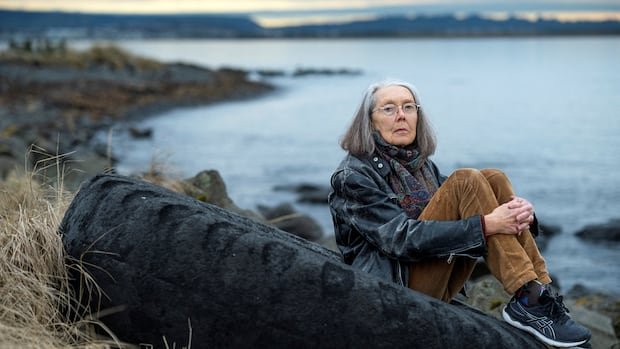

Anne Carson, a 76-year-old Canadian writer and artist, was awarded the Nobel Prize for literature on Thursday. Known for her unique and diverse body of work, Carson has often been described as true to herself, even if not fully acknowledged within her own country.
Carson’s creative output transcends traditional literary boundaries, seamlessly blending prose, poetry, and essays in her writings. Her works encompass a wide range of themes, from imagined dialogues between ancient and contemporary figures to reflections on love, loss, and personal quirks. Additionally, Carson’s expertise in Ancient Greek language, particularly her revitalization of Sappho’s fragments in the book “If Not Winter,” has earned her international acclaim.
Despite early recognition through prestigious awards like the Betty Colladay Award and the Lannan Literary Award for Poetry, Carson’s groundbreaking approach to literature faced initial skepticism in Canada. However, over time, her innovative and playful use of language and structure attracted a diverse audience, earning her accolades such as the Canadian Griffin Poetry Prize and the A.M. Klein Prize for Poetry.
Carson’s works have resonated with readers of all ages, appealing to both the literary elite and younger audiences. Her books, known for their depth and linguistic experimentation, quickly fly off the shelves, reflecting a widespread appreciation for her unique style.
Beyond her literary accomplishments, Carson has ventured into illustration, playwriting, and art performances. Notably, her adaptation of Sophocles’s “Antigone” featuring renowned actress Juliette Binoche showcased her ability to breathe new life into classical works. Carson’s ability to infuse ancient tales with contemporary relevance has led to critical acclaim and admiration.
Carson’s exploration of themes such as love, longing, and language has left a lasting impact on readers and fellow writers alike. Her ability to bridge the gap between ancient texts and modern emotions has inspired a new generation of literary scholars and enthusiasts.
As the third Canadian to receive the Nobel Prize in literature, Carson’s win marks a significant milestone for Canadian literature on the global stage. Prime Minister Mark Carney and other prominent figures have lauded her wit, imagination, and distinctive literary voice, underscoring her influence on the national literary landscape.
Looking ahead, Carson remains dedicated to her craft, already immersed in her next literary endeavor. Her unwavering commitment to creativity and exploration continues to captivate audiences worldwide, ensuring her enduring legacy in the realm of contemporary literature.