

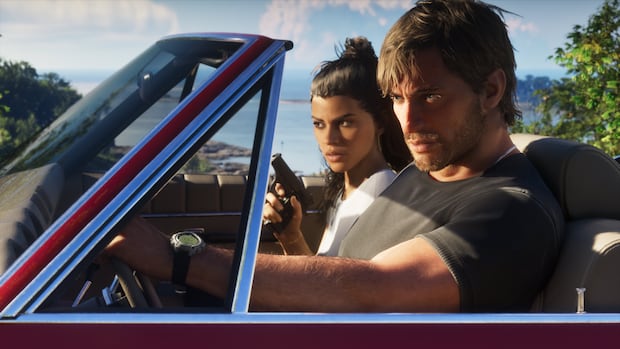

The latest installment of Grand Theft Auto VI reintroduces beloved elements of the series: car theft, flying aircraft, and escaping law enforcement. This edition, however, also features some notable modifications.
In the game’s initial stages, instead of engaging with sex workers, players are tasked with completing errands for their in-game girlfriend, such as purchasing flowers and repairing a leaky roof. Consequently, a segment of players and streamers have expressed that the new version of Grand Theft Auto is excessively progressive.
“The game is offering an option to treat women with respect,” remarked Joshua Foust, an assistant professor at Syracuse University specializing in public relations and the interaction between gaming and gender.
“The reaction from certain individuals appears to be that even the mere suggestion of treating a woman with respect in a game is perceived as offensive and undermines their own sense of masculinity.”
This perspective seems to differ from that of Braden Eric Peters, widely recognized as the looksmaxxing influencer Clavicular.
“GTA 6 is ridiculously cucked; half of the missions involve jestermaxing and simping for girls,” Peters, currently facing trial for rape, stated on X.
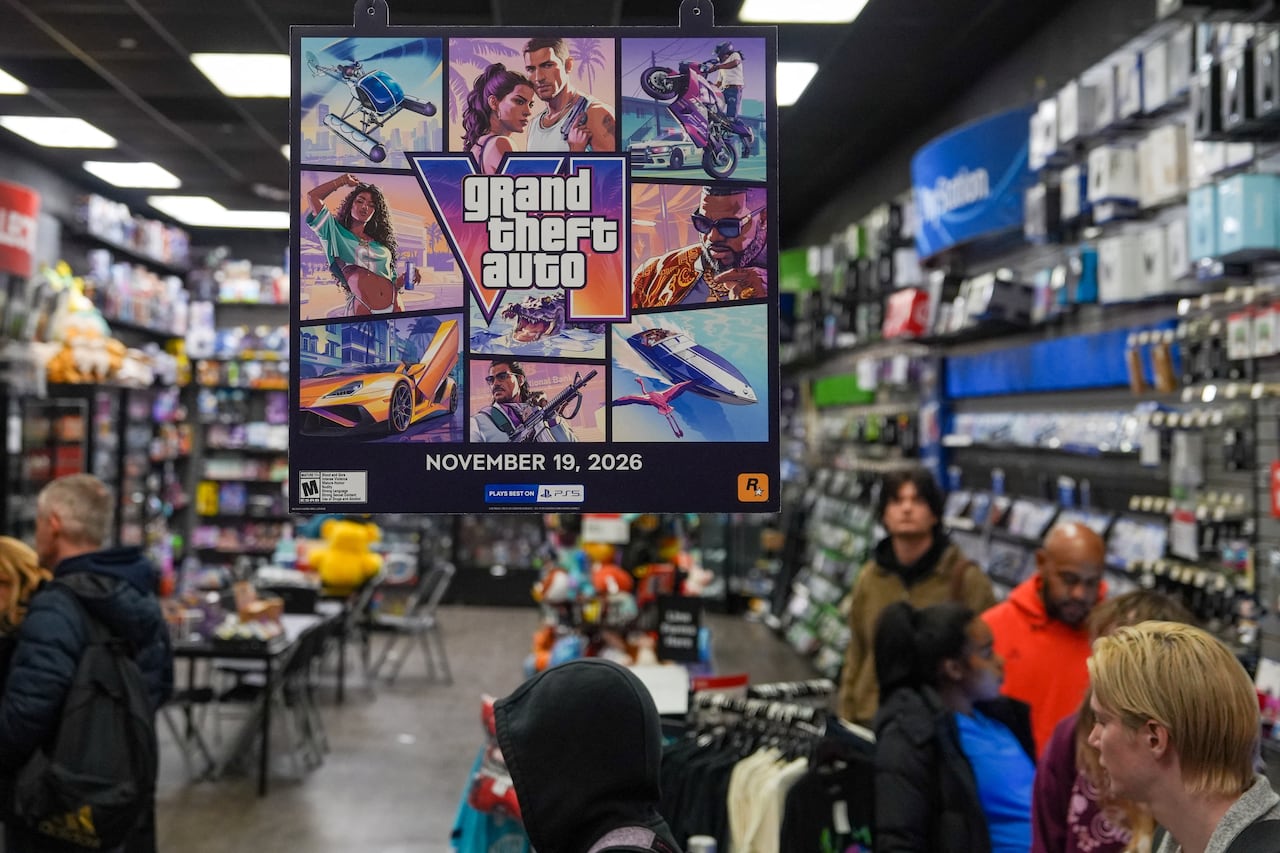
Despite the backlash, the game achieved $3.79 billion US in retail sales within the first 24 hours of its launch. (Ryan Murphy/Getty Images)
Regardless of this pushback, the open-world action-adventure title is performing exceptionally well in sales. It garnered $3.79 billion US in retail sales within the first 24 hours of its release, according to the developers at Rockstar Games, marking it as the largest video game launch in history.
“Looking at a franchise like Grand Theft Auto, it exemplifies how online feedback from specific groups does not reflect the reality of the situation,” commented Alyssa Mercante, a cultural critic and gaming journalist.
Buying flowers and putting up drywall
Players can take on the roles of Jason Duval and Lucia Caminos, although much of the early gameplay revolves around Jason.
During this phase — while involved in drug smuggling and car theft — players can choose to complete tasks similar to a “honey-do” list, which includes activities like installing drywall, painting the bedroom, and repairing the staircase to the house.
Players even have the option to buy flowers for Lucia (who is just being released from prison), though these tasks are entirely optional.
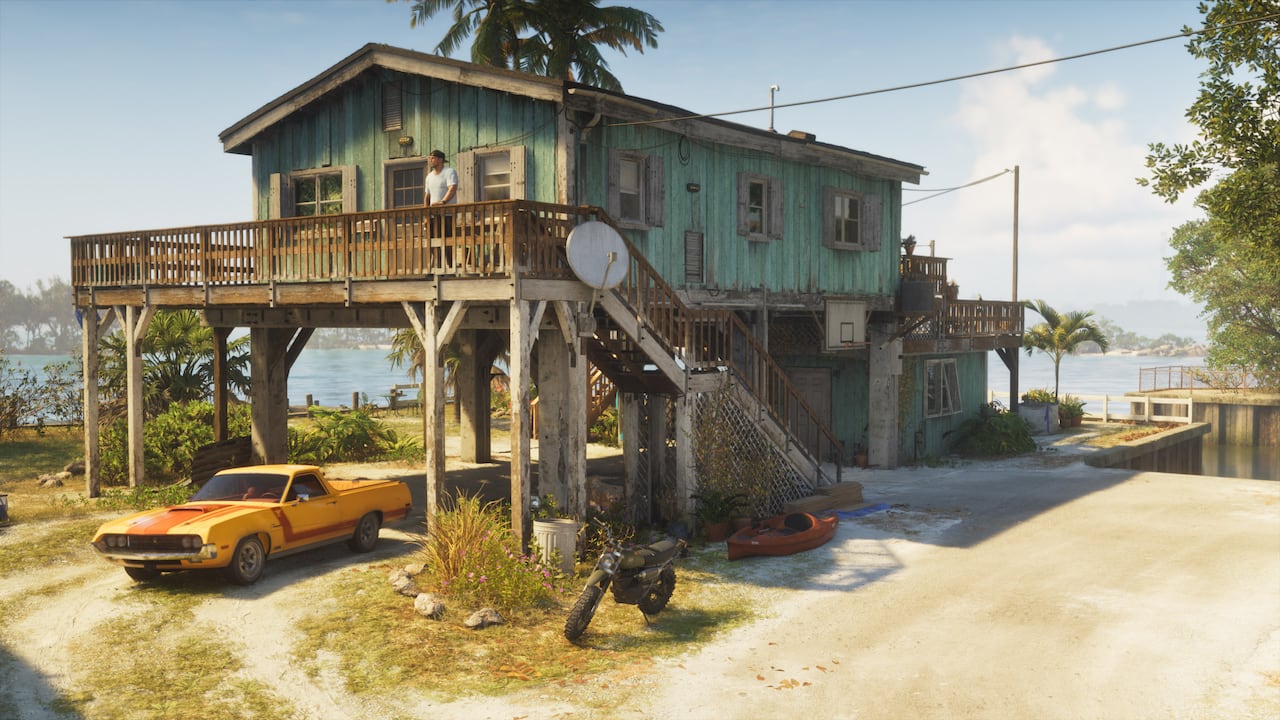
Early in the game, players are given the chance to do some work on Jason’s house, depicted here, to enhance the relationship between Jason and Lucia. (Rockstar Games/Take-Two Interactive)
In another segment of the early game, players are required to unclog a woman’s sink, which did not sit well with streamer Zack Hoyt, known online as Asmongold.
“Are you serious?” he exclaimed during a stream. “Why can’t she handle this? Why is it my responsibility to do this for her?”
Foust suggests that this “toxic criticism” stems from a belief among some that these games should cater exclusively to them and not accommodate anyone else. This sentiment is particularly prevalent among streamers who play these games professionally and anticipate that everything in these titles should be tailored to their preferences.
“I’m not diagnosing anything, but generally, if someone struggles to accept that certain elements are not intended for them, it reflects emotional immaturity,” stated Foust.
Monetized rage bait?
Mercante, who is currently penning a book on rage baiting, notes that much of the backlash may not be entirely sincere.
These streamers, including Hoyt, who boasts millions of subscribers, profit from viewers tuning into their rants. Additionally, clips shared on platforms like X are often amplified by the algorithm, according to her.
“Money is a powerful motivator,” Mercante remarked.
She observes that many streamers who profit from such behavior either come to genuinely believe the criticisms they express during their streams or adopt them as part of their online identity.

She emphasizes that while many viewers may watch and share clips from streamers like Hoyt, they still continue to purchase the game.
Furthermore, she argues that Grand Theft Auto VI isn’t an outlier — numerous major video game launches in recent years have faced criticism from this same demographic for being considered too progressive.
When Assassin’s Creed Shadows was released in 2025, some individuals objected to its portrayal of a Black lead character. Similarly, last year’s sequel to Ghost of Tsushima — Ghost of Yōtei — received backlash for featuring a female protagonist.
“It was inevitable that a reaction like this would occur with GTA. There will always be someone looking to highlight examples of what they perceive as the ‘wokeification’ of video games or how the industry is being taken over by straight white men,” stated Mercante.
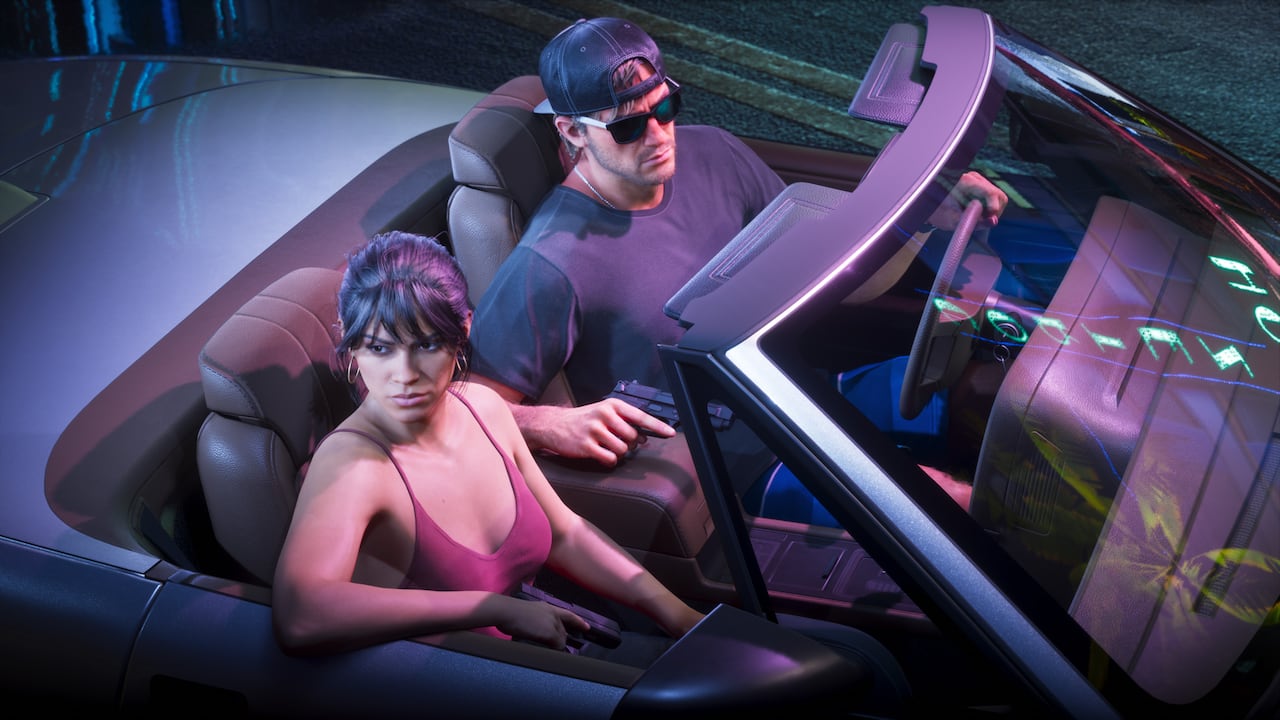
The game emphasizes the dynamics between Jason and Lucia, shown here, which has not sat well with some streamers. (Rockstar Games/Take-Two Interactive)
Ultimately, Mercante believes that studios are largely unfazed by this type of backlash. While an online movement could potentially affect small independent developers, major publishers like Take-Two Interactive, which is behind Grand Theft Auto VI, are unlikely to see this opposition impact their financial performance.
So, what should one do upon encountering an especially outrageous review? Mercante advises looking into the individual posting it and assessing who might benefit from their commentary. Those with verified checkmarks on X are paying to monetize their posts.
“Recognize that, in many situations, this content is designed to manipulate, mislead, and ultimately profit the person sharing it,” she cautioned.
“We exist in a time when trust in the media is dwindling, yet a content creator who is monetizing their — for lack of a better term — negative posts is not inherently more trustworthy.”