



This week, the U.S. Army is set to detonate 68 barrels of a hazardous lead explosive in Iowa, utilizing emergency powers that enable them to sidestep a court ruling that obstructs the contentious plan, as stated by the Trump administration in a court document this past weekend.
Last Thursday, the U.S. Court of Appeals for the 8th Circuit issued a temporary suspension of the detonation by halting the army’s environmental permit after environmental organizations filed a lawsuit to stop the procedure. In a filing late Saturday, the government indicated that the army intends to proceed without a permit by citing an emergency exception for munitions and explosives under federal environmental regulations.
Officials at the federal level emphasize that the detonation needs to occur within the next few days because a decrease in temperature could compromise the stability of the material, potentially leading to an uncontrolled explosion.
According to a filing from the U.S. Justice Department on Saturday night, “The army must execute a controlled detonation to safeguard the public from the greater danger posed by an uncontrolled explosion.”
Previously, the army had delayed the detonation plans for the degraded lead azide, which is a component used in military explosives, following significant backlash from local residents and farmers near Middletown, Iowa.
Initially, the Justice Department indicated that the army would act by Tuesday. However, the U.S. Army later announced via a post on X that the detonation is now scheduled for Wednesday, “to ensure optimal weather conditions and to implement all mitigation measures.”
Lead exposure poses serious risks, especially to children
On Sunday, the U.S. Army did not provide a response to a Reuters inquiry about the specific timing of the detonation. The army mentioned in its post on X that “More details on this situation will be forthcoming.”
Exposure to lead can result in severe health issues, particularly in children, including damage to the brain and the nervous system.
The Iowa Environmental Council, along with the Iowa chapter of the Sierra Club, filed the lawsuit opposing the detonation, contending that the explosions would generate a toxic cloud of lead dust that could be carried as far as 160 kilometers north of the site, depending on weather conditions.
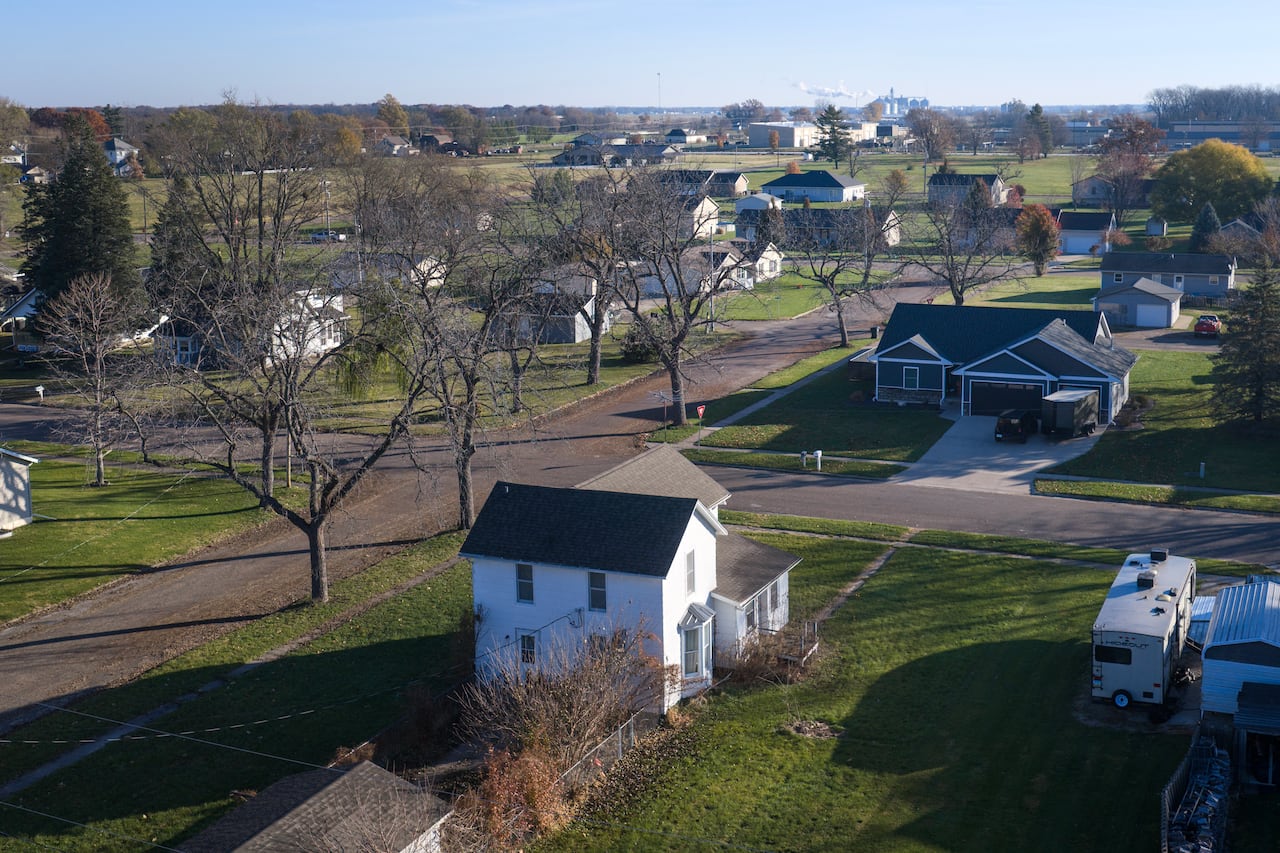
Middletown, Iowa, is located near the Iowa Army Ammunition Plant. (Scott Olson/Getty Images)
Kerri Johannsen, the senior director of policy and programs at the Iowa Environmental Council, told Reuters that the army ought to furnish more information regarding the detonation timing, the expected trajectory of the plume, and the precautions residents should take.
“One of the major issues that raised our concerns was the lack of advance notice and the fact that numerous individuals, including state officials, were not informed beforehand.… There was insufficient information being shared,” Johannsen remarked.
The Iowa Department of Agriculture and Land Stewardship has advised cattle farmers in the vicinity of the detonation site to relocate their livestock, feed, and equipment indoors, or to move them to other locations. However, farmers have informed the environmental council that keeping livestock indoors is not a feasible solution, according to Johannsen.
Army claims controlled detonation is the least risky option
In a statement released on Thursday, acting Secretary of the Army Adam Telle indicated that the army, in collaboration with the U.S. Environmental Protection Agency, had concluded that a controlled detonation to eliminate the degraded lead posed the minimal risk to the public.
Nonetheless, the army has recommended that individuals stay clear of the area during the detonation and advised anyone who cannot evacuate beforehand to remain indoors, shut windows and doors, and turn off heating and cooling systems that draw in outside air. Once the exposure period is over, residents should wet-clean any surfaces that children may touch to eliminate lead dust, the army stated.
“The initial recommendations from the army left many people astonished.… There continue to be numerous questions regarding mitigation and safety,” Johannsen added.
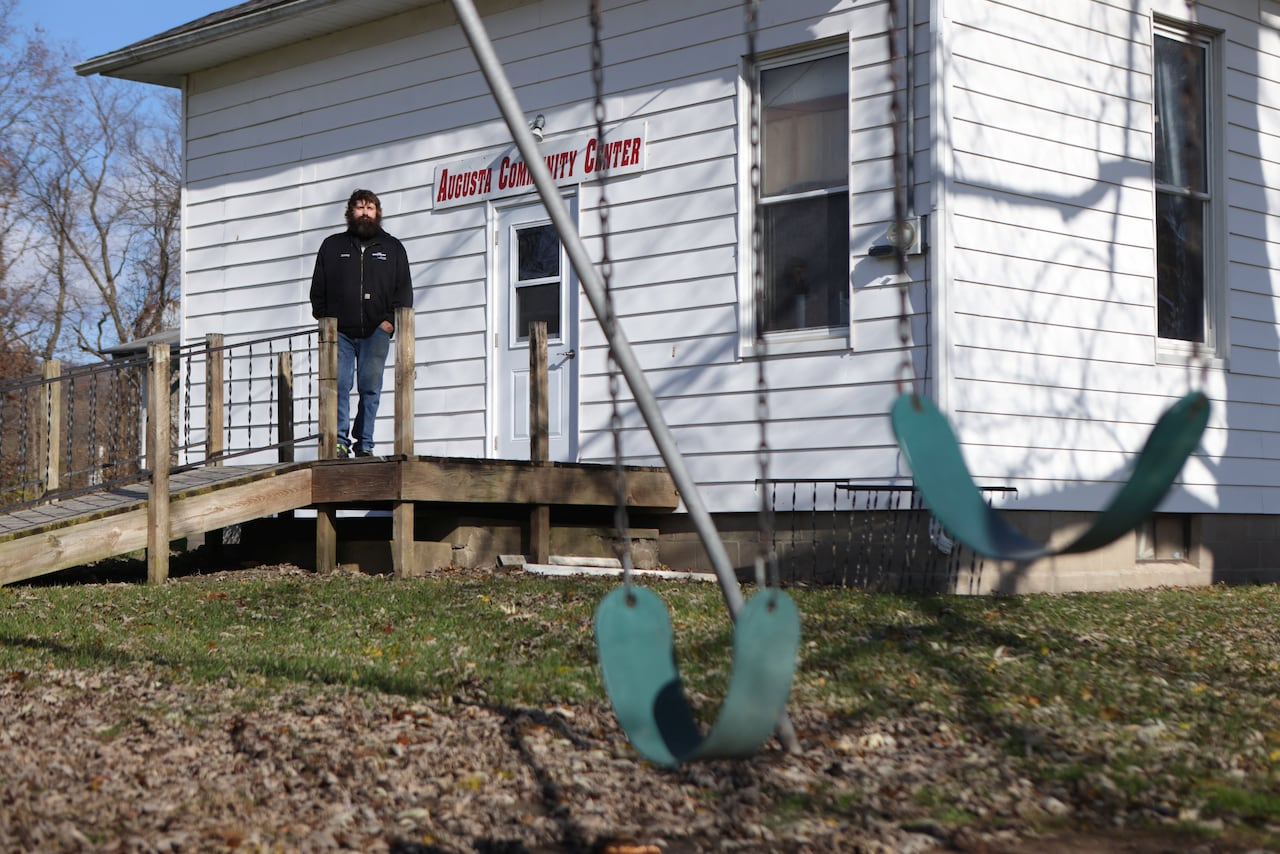
Jeremy Atwater, a resident of Augusta, Iowa, who intends to leave the area, is pictured at the Augusta Community Center on Sunday. (Jim Urquhart/Reuters)
Jeremy Atwater, a resident of Augusta, Iowa, mentioned his plans to head west, as he anticipates the plume will drift south through his town.
“Anything but the bomb,” Atwater expressed to Reuters. “It’s just going to be a huge issue.”