

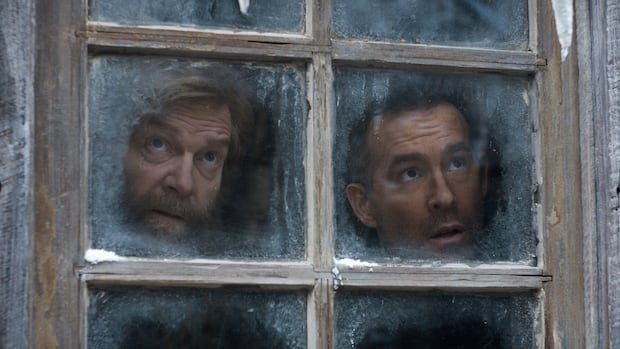

In a surprising reflection of human nature, the film “Mayday” delves into the concept of recognizing the humanity in others, even those from different backgrounds. Set in the 1980s, the story follows aging ex-KGB agent Nikolai, played by Kenneth Branagh, who extends a helping hand to U.S. Navy pilot Troy, portrayed by Ryan Reynolds, after a crash in Soviet territory.
Initially, it seems unbelievable that Nikolai’s motives are pure, as he assists Troy amidst Cold War tensions and personal challenges. The film challenges the assumption that foreigners, especially Russians during that era, could display empathy and altruism towards Americans.
“Mayday” successfully portrays the complexity and sincerity of its characters, particularly through the dynamic between Nikolai and Troy. The movie strikes a balance between action-packed sequences and comedic elements, with Branagh embodying a charismatic yet compassionate character, while Reynolds adds a touch of humor and wit.
Directors Jonathan Goldstein and John Francis Daley skillfully capture the essence of the narrative, blending intense action scenes with smooth camerawork. The film’s overall tone resonates with the era of the Reagan administration, offering a glimpse into the dynamics between America and Russia during the Cold War.
Despite its entertainment value, “Mayday” subtly addresses the broader theme of recognizing the shared humanity between people, regardless of nationality or ideology. By challenging stereotypes and propaganda, the film prompts viewers to consider the complexities of human nature and the blurred lines between good and evil in historical conflicts.
Ultimately, “Mayday” serves as a thought-provoking mainstream film that encourages audiences to reflect on the universal aspects of human experience and the significance of empathy and understanding across cultural divides.