


In the aftermath of the Chernobyl nuclear disaster nearly four decades ago, scientists have observed intriguing changes in animal biology within the 19-mile exclusion zone surrounding the abandoned power plant in Ukraine. Despite a significant decrease in radiation levels since the incident, visitors are still limited to brief trips to prevent excessive exposure.
Some areas near the reactor, such as the notorious ‘elephant’s foot’ mound of melted radioactive material, remain dangerously radioactive. The Chernobyl disaster is estimated to have claimed the lives of around 90,000 individuals due to cancers and other illnesses. The impact on wildlife has been equally peculiar, offering a unique opportunity for studying the long-term effects of radiation on multiple generations of animals, birds, and insects.
One peculiar discovery involves Eastern tree frogs, which have undergone a rapid evolutionary change known as melanism, turning from their usual green color to pitch black. This adaptation is believed to have helped them survive the initial radiation blast in 1986, passing on this trait to their descendants.
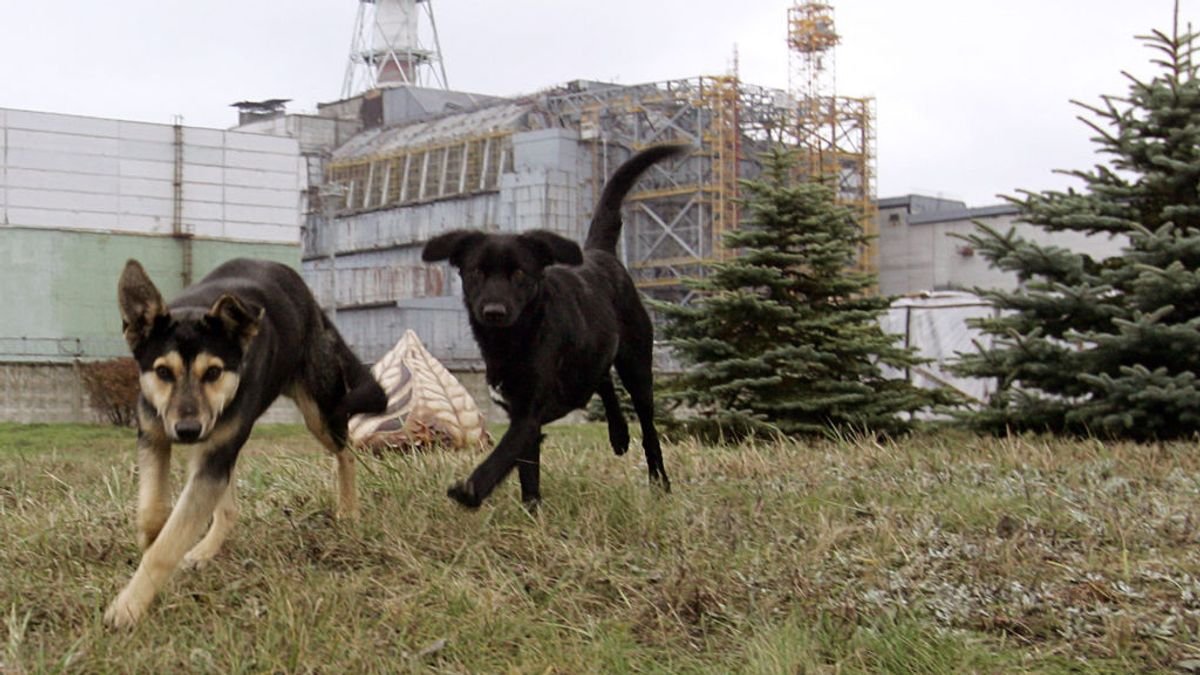
Furthermore, descendants of abandoned pets, including numerous feral dogs residing in the zone, have undergone genetic changes. A study revealed that these dogs are genetically distinct from those living just miles away, attributed to the intense natural selection caused by radiation exposure.
Although rumors of ‘blue dogs’ circulated online, they were later debunked as being caused by a leaking chemical toilet, not genetic mutations. Remarkably, grey wolves in the exclusion zone have developed a heightened resistance to cancer despite exposure to radiation levels surpassing human safety limits.
Various other animals, including Przewalski horses, badgers, bats, bison, boars, otters, owls, foxes, and lynx, thrive in the area due to reduced human interference, forming an unintentional wildlife sanctuary. The environmental repercussions of the Chernobyl disaster may even influence space exploration, as scientists have discovered a black fungus that consumes radiation, potentially aiding in shielding astronauts from cosmic rays.
By selecting Daily Mirror as a ‘Preferred Source’ on Google News, you can quickly access valuable news updates.