

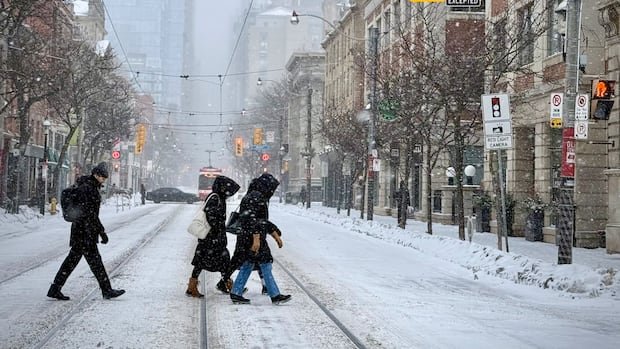

Waymo is set to expand its operations to Toronto, facing the challenge of navigating snowy conditions in the city. The company announced plans to commence testing with human drivers operating their autonomous vehicles on Toronto streets, aiming for driverless cab services in the city by 2028.
The testing will be conducted around the clock, every day of the week, to ensure the technology adapts effectively to the unique driving conditions in Toronto, particularly the snowy weather. Steven Waslander, a professor at the University of Toronto, highlighted the significance of Toronto’s winter conditions as a major hurdle for Waymo’s autonomous driving technology, which has primarily operated in warmer climates.
Autonomous vehicles rely on advanced technologies such as cameras, radar, and lidar systems to navigate their surroundings. However, these systems face challenges in adverse weather conditions like snow, which can obstruct sensors and impact the vehicle’s ability to detect objects accurately. Engineers are working on solutions to enhance the performance of autonomous systems in snowy environments.
Waymo has been accumulating data from snowy regions to improve its technology, with over tens of thousands of hours of driving experience in snowy weather. The company uses various strategies, such as incorporating heaters and windshield wipers on the cameras, to maintain visibility in icy conditions.
Despite the progress, Waymo acknowledges the need for more winter driving data and continues to enhance its systems for optimal performance in challenging weather. The company plans to gradually introduce its autonomous ride-hailing service in Toronto, allowing time for further development and adaptation to winter-related challenges.