

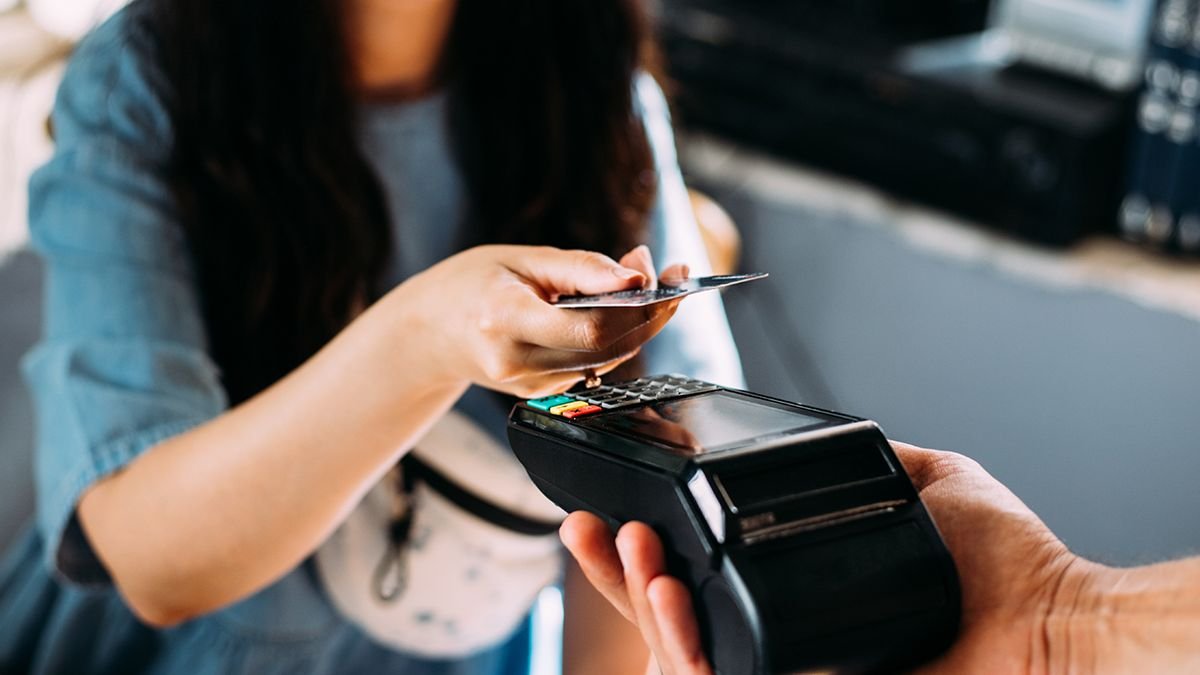

Starting March 19, a significant change in contactless card payments is being implemented with the removal of the £100 limit previously in place. This alteration gives banks the autonomy to establish their own maximum limits for contactless transactions, offering consumers the option to set their personal thresholds as desired.
Under the previous regulations, exceeding the £100 contactless limit would prompt users to enter their four-digit PIN to complete the transaction. Additionally, if multiple contactless payments totaling over £300 were made in a day, the PIN entry requirement would also be triggered.
The elimination of the fixed £100 limit grants more flexibility to banks and consumers, allowing for tailored payment limits based on individual preferences. Many card issuers already permit customers to adjust their contactless limits or deactivate the feature entirely.
Introduced at £10 in 2007, the contactless payment limit has gradually increased over the years, reaching £100 in 2021. The decision to scrap the limit was announced by the Financial Conduct Authority (FCA) following a consultation process, emphasizing the growing popularity of contactless payments and the enhancement of fraud prevention measures.
Industry experts, including UKHospitality and UK Finance representatives, have expressed support for the change, highlighting the convenience and security of contactless transactions. While immediate adjustments to the £100 limit are not expected, banks are committed to ensuring robust security measures remain in place for future changes.
Various banks, such as NatWest, Santander, Lloyds, Barclays, Nationwide, TSB, and others, offer customers the flexibility to customize their contactless limits through mobile banking apps, ensuring a seamless and secure payment experience. Plans for raising the contactless transaction limit are under review by some institutions, with ongoing updates provided to customers as needed.