

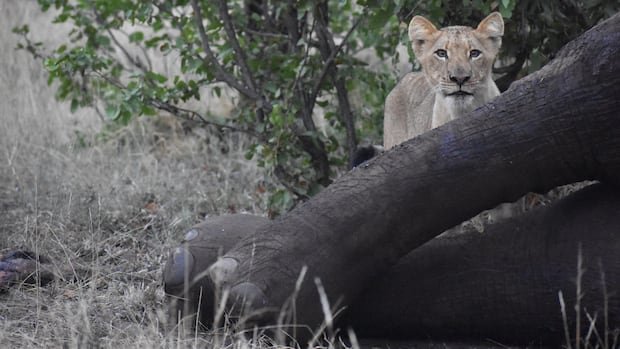


In the vast African savannah, elephants are found to have a remarkable influence even after their demise.
A recent investigation conducted by an international research team in South Africa’s Kruger National Park revealed the significant impact of elephant carcasses on the ecosystem.
These majestic creatures, often known as “ecosystem engineers,” play a crucial role in shaping the savannah during their lifetime by altering the landscape and consuming vast amounts of vegetation.
Courtney Reed, the lead researcher and ecologist, shared that the team aimed to explore whether the nutrients from elephant carcasses could continue to impact the ecosystem even after their death.
The study’s findings were recently published in the Proceedings of the National Academy of Sciences of the United States of America.
Renewal Process
By analyzing soil chemistry and biodiversity around the elephant carcasses, the researchers discovered that the decomposition process released substantial amounts of nutrients into the soil. This stimulated microbial activity in the soil, leading to the growth of nutrient-rich plants that attracted herbivores to the site long after the carcasses had disappeared.
The effects of this decomposition process were observed to last for more than seven years following the elephants’ death.
Initially, the nutrient-rich environment created by the elephant carcasses caused a decline in vegetation growth, resulting in bare patches known as “cold spots” in biodiversity.
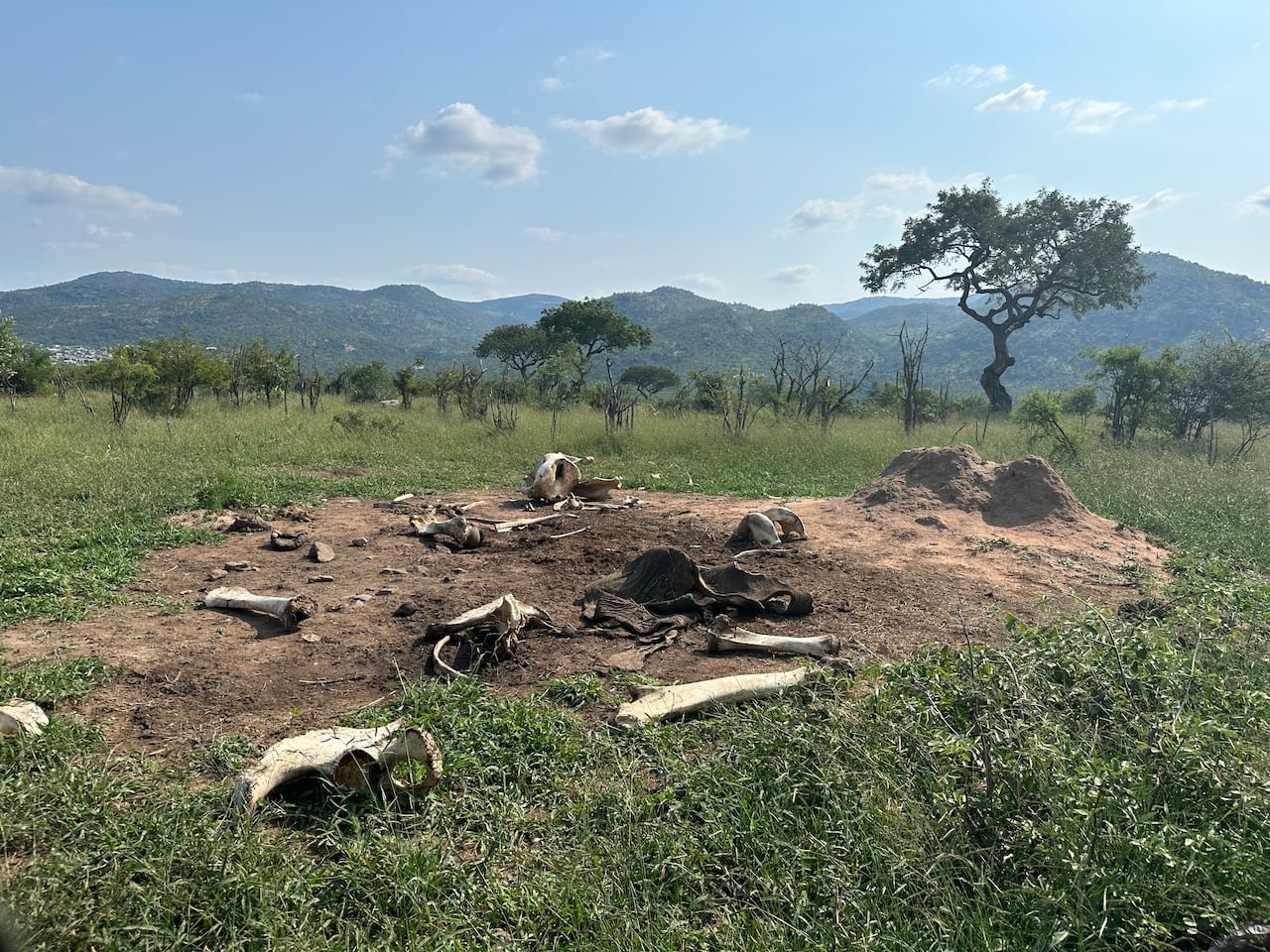
The study revealed that the initial abundance of nutrients in elephant carcasses inhibited vegetation growth, leaving large bare patches or ‘cold spots’ in biodiversity.
Over time, the ecosystem began to recover as the excess nutrients dissipated, enhancing the growth of nitrogen-rich vegetation that served as a protein source for herbivores.
- <li class="similarLinkItem