


As the ongoing conflict in the Middle East persists without clear resolutions, I have been visiting various news outlets to discuss the escalating prices and the potential financial implications of the conflict.
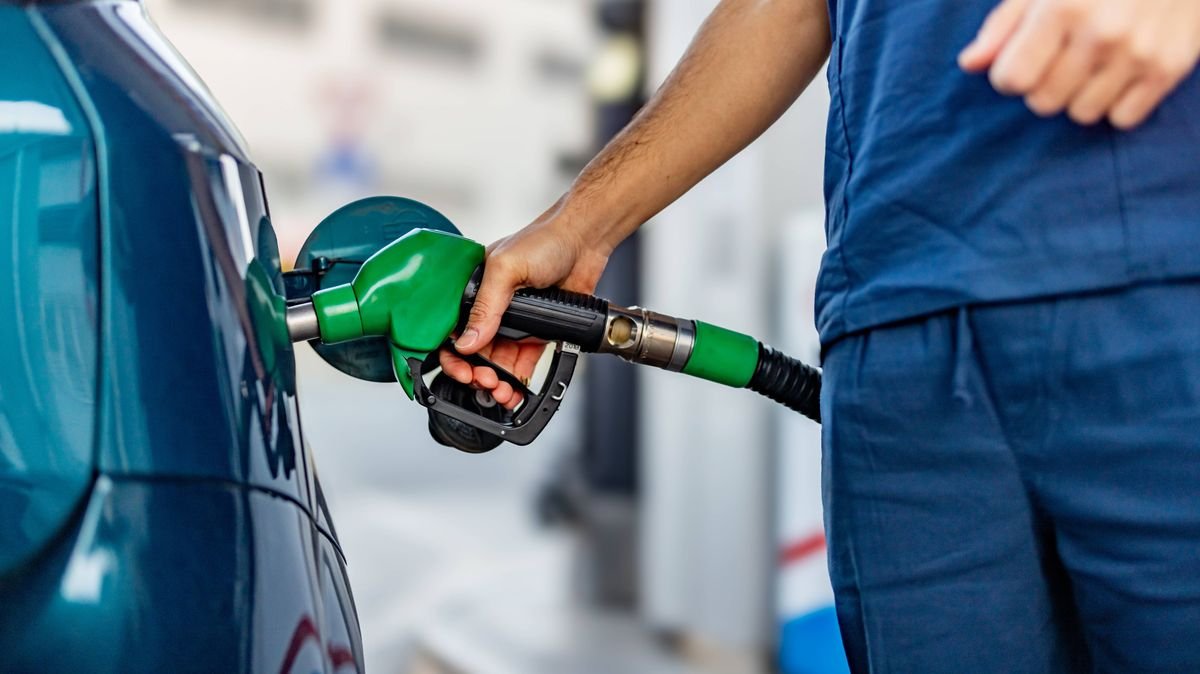
The issue of rising fuel prices has been making headlines since the conflict erupted, leading to instances of panic buying at gas stations. This raises concerns about how this situation may impact your finances.
During times of war or conflict, prices typically surge across various sectors, including energy, fuel, food, and interest rates. We have witnessed significant spikes in fuel prices in the past due to events like the pandemic and conflicts such as in Ukraine.
The current situation in the Middle East is complex as it involves major oil and gas-producing nations that are directly affected by the conflict. With a considerable portion of the world’s oil and gas passing through the Strait of Hormuz, a critical area in the conflict zone, it is likely that fuel costs will continue to rise even if the situation is resolved unexpectedly.
The repercussions of high fuel prices extend beyond drivers, affecting various aspects of daily life, including transportation services like taxis and airlines. These cost increases may take time to fully manifest.
Additionally, the impact of fuel costs can lead to higher prices for essential goods and services in the UK due to increased shipping expenses, insurance costs, and heightened demand.
While fuel suppliers in the UK have established processes for securing fuel at fixed prices, market renegotiations can result in price hikes. The concerns over fuel prices are not just financial but also hold significant political implications for governments worldwide.
Efforts are being made to stabilize the markets, such as the recent announcement by the International Energy Agency (IEA) to release 400 million barrels of oil to alleviate prices. However, persistent conflict could lead to further price increases, with uncertainties regarding the duration of the situation.
Given the anticipated rise in fuel costs, individuals can take proactive measures to mitigate the impact. Utilizing tools like the government’s Fuel Finder service or comparison apps can help locate the best fuel deals nearby based on real-time data.
Moreover, signing up for loyalty schemes offered by petrol providers and optimizing driving habits, such as carpooling, avoiding peak traffic hours, and maintaining efficient driving practices, can help save money on fuel expenses.
Considering the evolving landscape of electric vehicles (EVs), the declining prices of EVs present a viable alternative amid rising petrol costs. While grants are available for EV purchases, factors like charging infrastructure and long-distance travel considerations should be taken into account before making the switch.
By implementing cost-saving strategies and exploring alternative transportation options, individuals can navigate the challenges posed by escalating fuel prices effectively.